- Forget Me Not
- Posts
- 5 lessons L&D nurses can learn from the "Companioning Philosophy"
5 lessons L&D nurses can learn from the "Companioning Philosophy"
Every week, we deliver evidence-based strategies for modern perinatal bereavement care. Written by Jay CRNA, MS, specializing in obstetrical anesthesia, and Trina, a bereavement expert, both who have experienced loss.

Trina Parkin
March 26, 2026 • Read time: 5 minutes
In Today’s Issue:
🔗 The best resources I found this week
📖 Deep dive: 5 lessons L&D nurses can learn from the "Companioning Philosophy"
Know a co-worker who would benefit from this newsletter? Subscribe here
Want to learn how to get Forget Me Not Boxes in your hospital? Reply “Bereavement boxes”

🔗 The Best Resources I Found This Week
Wolfelt’s companioning philosophy Brief for Nurses
This one-page PDF lays out Dr. Alan Wolfelt’s 11 tenets of companioning in simple language you can share at huddle or print for your break room. [www.center-for loss.com]
The original Companioning at a Time of Perinatal Loss guide
This is the book our deep dive is based on today—a practical, bedside-focused guide written specifically for nurses, physicians, chaplains, and social workers in perinatal loss. [centering.org]
What a patient‑centered perinatal loss protocol can change
This 2025 study walks through a patient-centered protocol for perinatal loss and what shifted when a hospital redesigned care around what parents actually said they needed—time, choices, and clear communication.
📖 Deep Dive
What “Companioning” Really Looks Like in Perinatal Loss
If you’ve ever walked into a room after a stillbirth and thought, “I have no idea what to say,” this deep dive is for you.
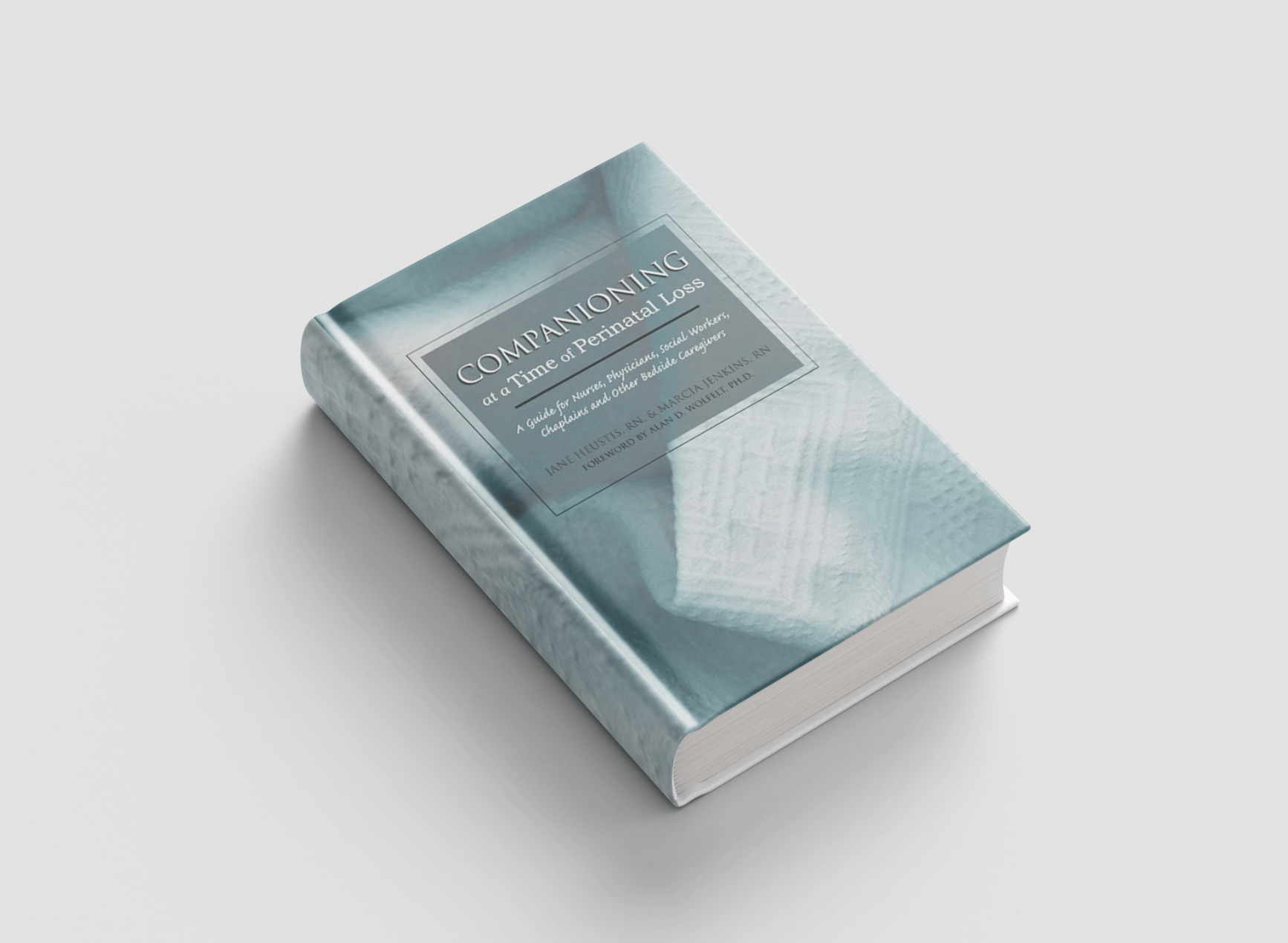
Today we’re unpacking Companioning at a Time of Perinatal Loss by Jane Heustis, Marcia Meyer Jenkins, and Alan Wolfelt—and translating it into real-life shifts you can make on your next loss patient.
Quick note: This is not a sponsored message. This book teaches a gentle, non-clinical approach rooted in the philosophy of “companioning,” which emphasizes presence and empathy over fixing or pathologizing grief.
What is companioning?
Companioning is Wolfelt’s term for a grief approach that focuses on presence, curiosity, and walking with families instead of trying to fix their pain.
He describes companioning as “walking alongside; it is not about leading” and “being present to another person’s pain; it is not about taking away the pain.”
For perinatal loss, Heustis and Jenkins apply this directly to the hospital setting—especially to the moments right after the death of a baby and through discharge.
They argue that when nurses see themselves as companions instead of “fixers,” families feel more seen, more validated, and less traumatized by their hospital stay.
Key truths nurses can implement
Wolfelt outlines core tenets of companioning that map perfectly onto the L&D world:
“Companioning is about honoring the spirit; it is not about focusing on the intellect.”
In practice, that looks like letting a mother talk about her baby’s name, hopes, and personality—even if the baby never took a breath—before launching into forms, consents, and timelines.
“Companioning is about learning from others; it is not about teaching.”
Instead of saying, “Many parents find…,” try, “Tell me about your baby. What feels most important for you right now?” and let their answers guide your next step.
“Companioning is about bearing witness to the struggles of others; it is not about judging or directing those struggles.”
That means staying with them when they are angry, numb, or silent, rather than trying to redirect them to “acceptance” or silver linings.
Heustis and Jenkins emphasize that these instincts are already present in most bedside nurses; the book simply gives language and structure to what many of you are trying to do intuitively.
“We have skills and experience, but our willingness to be a part of the experience will have the biggest impact.”
How this changes the first hours after a death
A recent qualitative study of bereaved parents and professionals found that what families needed most during perinatal loss was: time, honest information, acknowledgment of their parenthood, and authentic presence from staff. Read more on this here: A qualitative study of bereaved parents and healthcare professionals on perinatal loss
Companioning naturally supports all four.
In those first hours, companioning care can look like:
Slowing the pace
Pause before any big information dump.
Use phrases like, “We can take this one step at a time. Right now, we can just focus on…”
Naming their identity as parents
“You are your baby’s mom and dad. Would you like me to use your baby’s name?”
Letting silence do some of the work
Perinatal communication guidelines explicitly recommend allowing silence and avoiding the urge to fill every quiet moment with advice or explanations.
Offering choices without pressure
“Some families like to bathe or dress their baby themselves; some prefer the nurse to do it. Do any of those sound right for you?”
“Some families choose photos, handprints, or footprints. You don’t have to decide right this second; I can come back and review these options again.”
When nurses practice this kind of paced, choice-based care, parents later describe feeling more in control and less traumatized—even in situations where nothing about the outcome could be changed.pmc.ncbi.nlm.nih+
Memory-making as companioning, not as a checklist
Heustis and Jenkins devote substantial space to memory-making—photos, footprints, bathing, clothing, and keepsakes—as a way to companion families while they begin to bond, say goodbye, and integrate their baby into the story of their family.
Separate research from SHARE and other perinatal programs shows that when families are not offered these opportunities, many experience deep regret and even more complicated grief later.
A few companioning-based shifts you can make right away:
Move from “standard package” to personalized choices
Instead of “We’ll get some pictures and footprints,” try, “Some families choose photos, some don’t, and some want both digital and printed. What feels right for you? We can change course later if you need to.”
Model tenderness with the baby
Parents watch how you hold, bathe, and speak about their baby; seeing you handle their baby gently helps them feel more able to interact, even when they are afraid.
Use language that affirms the baby, not just the event
Research and national training programs now urge avoiding terms like “fetus,” “products of conception,” and “missed abortion” in these conversations.
Heustis, Jenkins, and many bereavement leaders recommend language like “your baby,” “your son,” or “your daughter,” unless parents clearly choose more clinical terms themselves.
One hospital-based study on perinatal loss programs found that enhancing bereavement protocols—including structured memory-making—improved parents’ satisfaction with care and highlighted the role of nurses as key emotional supports.
How companioning protects you too
Companioning is not just “be more empathetic and absorb more pain.”
It is actually a structure that can protect nurses from some of the guilt, helplessness, and unprocessed grief that show up after the death of a baby.
Research on nurses’ experiences of perinatal death shows:
Nurses often grieve in ways that mirror parents’ grief but feel pressure to suppress their emotions to appear “professional.”
Lack of training and debriefing contributes to moral distress, compassion fatigue, and even secondary traumatic stress.
When nurses receive bereavement education and have space to talk about their experiences, they describe the work as a “privilege” rather than only as a trauma.
Companioning gives a different internal script:
Your job is to witness, not to fix.
Your presence is enough, even when there is nothing to do.centerforloss+1
Feeling emotionally affected is a sign of your humanity, not a sign that you’re doing it wrong.
One nurse in a bereavement-focused study put it this way:
“It will never get easy; you just learn how to cope a bit better.”
Intentional debriefs, peer support, and small personal rituals (journaling, brief moments of silence after a loss, or writing the baby’s name privately) are all evidence-supported ways to process grief and reduce long-term compassion
Companioning simply gives you a framework to do what you already came into L&D to do—stand with families in their most vulnerable moments—with more clarity, less fear, and a lot more permission to be human in the room.
How did you enjoy today’s deep dive?
(Select one)
👋 That’s a Wrap!
Before you go: Here are ways we can help your hospital
Education: Please share our newsletter with your co-workers. Our priority is empowering nurses with the tools to support patients with modern, evidence-based bereavement education.
Bereavement boxes: Our bereavement boxes were designed out of a need for a modern high quality solution for families suffering from miscarriage, stillborn, or infant death.
Reply to this email “Sample” to get a free sample sent to your hospital.

What we prioritize:
Tools for hospitals to create a bereavement experience for families to begin their grief journey
Educating nurses with modern bereavement standards and continuing education.
Helping hospitals build a foundation of trust and support, so bereaved families feel seen and cared for—now and in the years to come.
These boxes were born out of our own personal losses, including Jay’s (CEO) 15 years of experience working in labor and delivery as a CRNA and witnessing time and again how the hospital experience can profoundly shape a family’s grief journey, for better or for worse.
Until next week,
Trina and Jay
Co-founders of Forget Me Not
